

The Vacation Spending Mindset
The less often people travel, the more they tend to overspend when they finally get away. The vacation spending mindset is influenced by a lot of external factors, including marketing from some deep-pocketed international hotel chains and the travel industry in general. You don't have to come home from vacation to a stack of credit card bills in your mailbox!
The average vacationing American couple spends between $3,800 and $5,200 and most of these vacations are a week or less. To me that seems like a staggering amount of money. Most of those average couples could take two or three vacations with that amount if they were just more savvy about finding great travel deals and optimizing their choices. Even just looking at standard vacation packages there are much better values than that out there.
I don’t assume that the way “most people” travel is the smart way to go. If a million people are willing to pay $600 a night for a hotel somewhere fine...but I’m going to cash in points or find the spot where I can get a similar experience for $300 a night or less instead.
Those hotels are not hard to find. They may not have six pools with a swim-up bar and a room that’s bigger than your apartment, but they’ll be quite nice if you are in the right destination.
Ease up on the star level of your hotel and the next thing you know, that $5,000 will last two people a month or more of travel instead of six nights getting sunburned and paying for overpriced excursion tours.
Choose Your Travel Destinations Based on Your Passions

When planning your travels even if you set a criteria like, “Places I can drive to within four hours,” that’s still going to be a long list of options. If you let your passions be your guide though, it’ll be much easier to narrow the list down.
Jay and I enjoy biking, kayaking and history so at the very least we include them in our trips if not plan the entire travel destination around them. We've found the best trails not in overcrowded national parks but in and near small towns around America.
Savvy travelers have a different mindset and a willingness to get away no matter what, even if it means forgoing luxury hotel marble bathrooms and infinity pools.
You don’t have to go where everyone else is going, stay at the chain hotels most people are staying in, or eat at the kind of restaurants they’re eating in. Or take a cruise with thousands of other vacationers. Even if that is what the travel industry would like you to do.
Determine Where You're Hemorrhaging Money

A good place to start is to determine where you're hemorraghing money and stop the bleeding.
"Hemorrhaging money" refers to a situation where an individual or business is losing money rapidly, often due to overspending or unexpected expenses.
I discovered the first thing I had to do was identify and list where I was hemorrhaging money and how much. Sure, that Starbucks latte may taste good every morning...but is it something you really need?
When I listed where I was hemorrhaging money I was stunned. All of these little purchases we think nothing of making really add up! This was all money I could use to travel instead!
By consciously becoming aware of all of these frivolous expenditures, I could eliminate them and put that money toward my travels.
Let Local Deals Be Your Guide

You have probably browsed Groupon for your own city, but you can search on activities anywhere you’re headed and find good deals.
Family activities, romantic excursions, and adventure thrills are all on there in abundance.
Don’t forget about the best price of all: free. Almost anywhere you go there are going to be free activities and attractions if you do a little digging around.
The less popular the place, the more of them there will probably be. The North Dakota Tourism site lists 35 free things to do, Omaha Tourism lists 20, Rochester NY Tourism lists 20, and on it goes.
Rates First, Location Second
One way to narrow down your list and find a US vacation spot that won’t break your budget is to run the numbers. If you’re going to fly somewhere, use Google Flights and leave the destination blank. See what comes up as a terrific deal.
If you’re driving, do some random checks for towns and cities within driving distance on the hotel booking sites like Expedia and Booking or check Airbnb if you’re planning to go for a week. For instance, while the price of a poorly rated Best Western hotel in Chicago will set you back $223 per night over 4th of July weekend, in Grand Rapids the Best Western is $132 per night and in Omaha the same chain is $125 per night on that same holiday weekend.
If you’re a camper or have an RV (or are thinking about renting one), then check out the state park sites and campgrounds. But with our national and state parks growing increasingly busy, now more often we'll often opt for a privately owned RV park/campground. They're still far cheaper than hotel rates and usually aren't as crowded.
Restaurant prices don’t vary radically once you get outside the biggest cities, but maybe check out prices for a local food tour or something else that’s a window into the area. Seek out local places with great reviews that aren’t going to break the bank. Then it’ll be an experience, not just a refueling. If there’s a local farmer’s market, pick up some things there, especially if you’re staying somewhere with a kitchen.
If you invest some time in research, you’ll find that secondary locations have plenty to offer but just aren’t as well-known to draw the crowds.
Just remember, avoiding the crowds and high summer vacation prices is easy if you go beyond the obvious and keep your options open. Spend a little time researching and you’re sure to find plenty of affordable vacation spots in the US.
Travel Off Season For Bigger Savings
One of the most effective ways to save money while traveling is to plan your trips during the off-season. By avoiding peak travel times, you can take advantage of lower prices on flights, accommodations, and attractions. This strategy not only helps you spend less and explore more but also allows you to enjoy popular destinations without the crowds. Off-season travel offers a more relaxed experience and often provides opportunities to interact more closely with locals.
Traveling during less busy times means you can often find better deals on everything from flights to hotels. Airlines and hotels frequently offer discounts to fill seats and rooms during slower periods. This approach not only saves money but also enhances your travel experience by providing a more authentic and less touristy atmosphere.
Now I travel almost exclusively during my travel destination's off season or shoulder season, having discovered how much more enjoyable it is than traveling during peak tourist season - and how much money I save doing it.
Leverage Rewards Programs Wisely
Maximizing reward programs is a smart way to reduce travel costs. Many credit cards offer points or miles for purchases, which can be redeemed for flights, hotel stays, or other travel-related expenses. By strategically using these programs, you can plan your dream vacation without breaking the bank. It’s important to choose a program that aligns with your travel habits and to use your card for everyday purchases to accumulate points faster.
This will take some comparison shopping on your part to determine which rewards programs are most advantageous to you. Are you interested in loyalty to a brand, free rewards, or avoiding fees?

The Bilt Mastercard is the only credit card that earns you points when paying rent (up to 100,000 Bilt Points each year) without any transaction fees (really!). It’s an overall great card with plenty of category bonuses and over 19 transfer partners.
If you're a renter or have a mortgage you might want to consider this card.
With the arrival of the Bilt Mastercard®, you can now earn points on rent (up to 100,000 Bilt Points per year), without paying any transaction fees for doing so. And it has changed the game.
(Use the card 5 times each statement period to earn points.)
Plus, in addition to earning points, the card also gives you:
-
Trip Cancellation and Interruption Protection
-
Trip Delay Reimbursement
-
Auto Rental Collision Damage Waiver
-
Cellular Telephone Protection
-
No foreign transaction fee (Terms & Conditions)
-
$5 USD in Lyft credits each month after taking three rides that month
Click here for a full breakdown of Rewards and Benefits and Rates and Fees.

The same thing with my Amex Hilton Surpass.
The sign-up bonuses alone will set you up for a long weekend’s worth of lodging. Signing up for airline and hotel loyalty programs can lead to significant savings. These programs often provide members with exclusive discounts, free upgrades, and other perks that enhance the travel
I also keep a couple of credit cards for accommodations I routinely use that award me free stays and other travel rewards, like the IHG card.
More than once I've gotten very nice accommodations for $0 like this Kimpton hotel room in Milwaukee.

experience. By staying loyal to a particular brand, you can enjoy these benefits and make your travel budget stretch further.
Extend Trips For Better Value In Later Years
For those in retirement, extending trips can provide better value and allow for more leisurely exploration. By taking longer trips, retirees can spread out travel costs and enjoy a more relaxed pace. This approach is supported by insights from Nine Things You’ll Spend Less on in Retirement.
Longer stays often lead to discounts on accommodations and transportation, making it a cost-effective option for retirees looking to travel more. Additionally, extended trips provide the opportunity to immerse oneself in the local culture and truly experience a destination. This can lead to a more fulfilling and enriching travel experience.
Be Flexible In Your Travel Plans
The more flexible you remain in your travel plans, the more money you will save. For example, traveling mid week is less expensive than traveling weekends all the way around - accommodations, taking advantage of last minute flight fare costs, etc.
Allow Plenty Of Time To Plan Your Trips
I allow myself 6 months to 1 year to plan any of my trips. This allows me to comparison shop as well as take advantage of any annual packages, deals, sales, promotions, discounts. You can always change your plans as you go along!
Utilize Travel Newsletters
These are a great way to score savings on travel and they're usually FREE to sign up to receive. If you don't want them sent to your regular email and cluttering it up, then set up a free email account to have just travel newsletters sent to and clean that account out once a month.
Airlines and accommodations (just 2 examples) offer some last minute deals that can save you as much as 50%.
Additionally, consider signing up for a website like Going.com. They hunt down deals and send them directly to your inbox — for free! They also offer a premium service that offers more (and better) deals but at the very least join their free newsletter.

Become A Couponer
I used to be the coupon queen of grocery shopping until stores did away with double coupon days. I once added up what I saved in one year by double couponing and sending in for free products - over $10,000!
I still coupon for travel!
The Entertainment Book, grocery coupons, Groupon, and loyalty cards all reduce the price you pay at the register.

Try Work Exchanges And Volunteering

One of the most unique and immersive ways to travel while saving money is through work exchanges and volunteering. These opportunities allow you to work for a few hours a day in exchange for free accommodation-and sometimes even free meals, bike rentals, laundry services, and more!
There are several platforms to find these experiences:
-
Worldpackers (my personal favorite)
-
Workaway
-
WWOOF (focused on organic farming)
-
Facebook groups dedicated to volunteer opportunities
These programs connect travelers with hosts worldwide, offering experiences ranging from working at hostels and eco-lodges to teaching English, farm work, and even social media management. You can find many different types of work that cater towards your passions and skills!
The best part? You're not just saving money-you're also connecting with locals, learning new skills, and experiencing a place in a way that typical tourists don't. Some hosts allow you to stay for as little as a week, while others welcome volunteers for several months. It's flexible, affordable, and an incredible way to make your travels more meaningful.
If you have never done a work exchange before, I highly recommend starting with Worldpackers. They are a reputable organization with many different hosts and different levels of support for their travelers.
TaskRabbit lets you do tasks that people don’t have time for—from cleaning to moving, doing research, or helping with errands. Websites like Fiverr and Upwork allow you to be people’s assistants, editors, designers, or a host of other professional roles, while Yoodlize allows you to rent out your unused stuff for money. These sites can provide an easy way to earn money on the side. Be sure to check them out as a way to earn extra money for your upcoming trip.
Additionally, you can become an Uber or Lyft driver, teach a skill on the side, or rent out a room on Airbnb. In the age of the “side hustle,” there are lots of ways to utilize your proven skills for extra cash. Get creative!
Here is a full list of sharing economy websites you can use to earn some extra cash on the side.
This one might sound counterintuitive because, let's be honest, touristy areas are often popular for a reason. But they also come with inflated prices-for food, souvenirs, activities, accommodation and even transportation.
If you want to save money, try venturing just a little outside the main tourist hubs. Sometimes, moving even 10–15 minutes away from a city center can lead you to more affordable restaurants and accommodations. In some cases, choosing a smaller town or a lesser-known area instead of a major tourist destination can make your entire trip significantly cheaper.
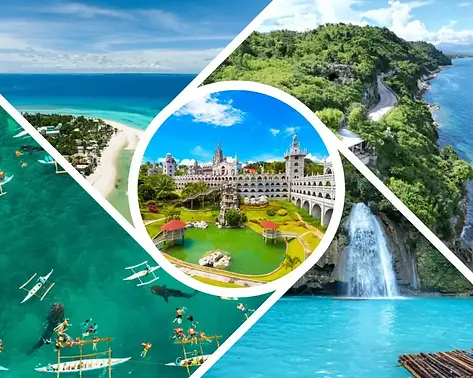
Of course, some famous spots are worth visiting, but you don't have to spend all your time (or money) in them. Instead, balance your trip with hidden gems, local experiences, and more affordable alternatives so you can travel for longer!
Consider Domestic Travel Vs. International Travel
Consider road trips to nearby national parks or charming towns. This allows for flexibility and the chance to discover hidden gems without the high cost of international travel, especially with the rapidly rising costs of air travel.
Budget travel has become popular among those who want to see the world without spending a lot. It focuses on experiences, not expensive things. This way, people can travel more for less money.
More people are choosing to save money over spending a lot on travel. They want to explore and discover new places. Instead of fancy hotels, they prefer hostels, vacation rentals, or camping.
Traveling on a budget can be less stressful and reveal hidden treasures. Street markets, local food, and off-the-beaten-path spots offer great cultural experiences at lower prices. These options make your trip more meaningful and connect you with the places you visit. And isn't that the whole point of traveling?
Consider Traveling With A Group
More and more travel-related establishments are promoting group travel discounts. Take advantage of those discounts!
Don't Spend That Spare Change

I laughed when a friend first told me this trick. Like how much money could one even accumulate saving only their spare change?
$400 every 2 months. That's how much.
Now I seldom spend my spare change. I put it in a large glass jar and every couple of months I take it to my credit union, cash it in and deposit it to my travel savings account.
Put that money in an interest bearing account and let it earn more money for you until you're ready to spend it on a trip.
It's an easy and quick way to accumulate travel funds!
Buy Used And Save The Difference
I'll seldom buy something new, paying retail price. We live in a disposable society so it's easy to find next to new items far cheaper than buying them new. The money I saved buying used I put in my travel savings
account.
Certainly you don't have to buy everything used...but I've found items for pennies on the dollar that looked brand new and worked perfectly. And often I'll find brand new items that are being discontinued so are discounted to clear them out of inventory.
Even if you live in the boonies like I do, you'll usually find a nearby thrift store or secondhand shop. There are also garage sales, flea markets, estate sales, Goodwill, where you can find some real bargains. And I don't just shop for travel necessities at such places. I make it a practice to buy just about anything I need this way.
Use Viator
If you’re looking to do any tours in your future travels, I HIGHLY recommend using Viator. They offer the best curated experiences in destinations across the US and Europe, from walking food tours to other guided sightseeing. I've found you'll save at least 15% more than on sites like Get Your Guide.
Invest In A Guidebook

The people who will generally save the least amount of money on their travels are those who do Internet research only into their travel destinations.
I'm not knocking the Internet. Travel blogs specific to your travel destination are marvelous for gaining information you wouldn't have otherwise.
The best bet for internet-only advice is to find a blog that specializes in the region you’re heading to. Their advice will often save you lots of money and help you avoid hassles.
I mostly avoid TripAdvisor and Reddit now, even though Google loves both these days, because many of the people who comment on these user-generated-content sites only travel once a year and they only post if they have something to complain about or rave about. There’s not much in between.
Guidebooks are still the most authoritative source with good maps. I prefer Fodor's Travel but there are a great variety of guide books out there for just about any travel destination.
Talk To The Chamber Of Commerce & Visitor's Center

I always phone my travel destination's Chamber of Commerce and/or Visitor's Center to gain information about my travel destination.
After all, their staff does this day in and day out so are very familiar with what your travel destination has to offer.
Often they'll send me travel brochures about their town, discount coupons and the like.

Final Throughts
Saving money while traveling doesn't mean sacrificing great experiences-it just means being smart about where and how you spend. By choosing budget-friendly accommodations, finding work exchanges, cooking when possible, avoiding overpriced tourist traps, and exploring more off-the-beaten-path locations, you can stretch your money further and extend your travels.